The post Distribution of medical and surgical supplies worth 3 million taka in Pabna appeared first on EN-vinnabarta.
]]>The post Distribution of medical and surgical supplies worth 3 million taka in Pabna appeared first on EN-vinnabarta.
]]>The post Women’s Everyday Actions Can Transform Global Governance appeared first on EN-vinnabarta.
]]>The two-day conference was organised by the International Women’s Peace Group (IWPG) on September 17 and 18 at the Enford Hotel in Cheongju, South Korea. Around 800 women leaders from 31 countries, including former and incumbent ministers, local government leaders, diplomats, officials of international organisations, women’s rights activists, academics and journalists, participated in person and online.
The conference discussed practical frameworks for incorporating women’s experiences of promoting peace in their everyday lives into public policy, institutional structures and the principles of multilateral diplomacy.
At the conference, IWPG signed memorandums of understanding (MoUs) with 12 institutions and organisations from eight countries with the aim of promoting peace and empowering women. The Ambato City Hall of Ecuador was among the signatories.
Under the agreements, plans were adopted to implement sustainable peace initiatives and various regional programmes in cooperation with local governments, educational institutions and civil society organisations.
The conference also unveiled the 2026 Global Women’s Peace Recommendations, formulated on the basis of opinions gathered in July from around 1,070 women leaders from various sectors in 46 countries.
The recommendations emphasised ensuring women’s effective power in decision-making, establishing institutional security mechanisms—including medical, legal and psychological support—to maintain peace in everyday life, promoting peace education for future generations, and strengthening regional and international solidarity.
The recommendations are planned to be presented as policy guidance to key multilateral institutions, including the United Nations Commission on the Status of Women (CSW) and the African Union.
At the main session of the conference, women leaders working on the frontlines of conflict and social inequality shared their experiences.
Fawzia Koofi, Afghanistan’s first female deputy speaker of parliament and president of the Afghan Women’s Coalition, said that peace cannot be achieved simply by ending the use of weapons; no security system can be sustainable without women’s social and political participation.
She said women must not be confined to the role of victims of conflict. Rather, their active participation must be ensured in all formal discussions on national security, the economy and the political structures of the state.
Diana Guadalupe Caiza, mayor of Ambato, Ecuador, and the first Indigenous woman to become mayor in the city’s 205-year history, said women already possess the necessary capabilities; what they need are opportunities for education, security and participation in fair policymaking processes.
She shared her experience of integrating the Andean philosophy of “Ayni,” based on service and mutual cooperation, into local administration.
Ahed Mohammed Salem Gassous, Yemen’s deputy minister for local administration and women’s affairs, said that the way women protected their own lives and livelihoods, as well as those of local communities, even amid civil war should be recognised as valuable knowledge in the reconstruction process.
She stressed the importance of institutional empowerment of women at every stage of post-conflict reconstruction and governance.
The conference’s side sessions discussed issues including peace in the age of artificial intelligence, peace education and women’s leadership, future generations and peace, and civil society and peace. The sessions were held in cooperation with partner organisations from various countries.
For the first time, the conference also featured an Academic Networking Session, where participants discussed various strategies for institutionalising peace education in educational institutions.
The experience of the Peace Committee of the Autonomous University of Tabasco Juárez (UJAT) in Mexico, including the formation of a peace committee and the development of trained peace instructors, was also presented at the session.
IWPG said that its Peace Committees, which have been operating for the past 10 years, will now be transformed into self-reliant grassroots organisations known as “Peace Chapters.” At the same time, the existing Peace Committees are being developed into policy advisory bodies comprising experts from various fields.
In her address, Na-yeon Jeon, president of IWPG, said discussions on peace generally focus on negotiations between states, meetings of international organisations, or major policy and institutional initiatives.
“But the practice of peace begins in people’s everyday lives long before reaching those platforms,” she said.
She said women’s experiences must be shared, their significance understood, and the lessons derived from those experiences transformed into collective knowledge.
“Global governance truly begins when that knowledge contributes to policymaking, decision-making and discussions within the international community,” she said.
Choi Kyung-nam, secretary-general of IWPG, said it was not enough simply to listen to women’s experiences; those experiences must be transformed into knowledge, knowledge into action, and action into social and institutional change.
He said IWPG would continue working to connect the experiences and voices of women around the world, help develop their peace leadership, and ensure that their perspectives are reflected in broader policymaking and international discussions.
An international woman leader attending the conference said she had developed deep connections with women peace activists from different countries around the world and found strong partners through mutual solidarity.
She also observed that women’s small, everyday actions and their presence themselves could serve as a powerful starting point for building peace.
IWPG is an international women’s peace NGO based in South Korea. The organisation is registered with the United Nations Economic and Social Council (ECOSOC) and the UN Department of Global Communications (DGC).
Through 105 branches and around 900 partner organisations worldwide, IWPG conducts various activities, including peace education, the promotion of a culture of peace, and the development of peace policy proposals concerning women.
The post Women’s Everyday Actions Can Transform Global Governance appeared first on EN-vinnabarta.
]]>The post Pediatric surgeon Professor Dr. Mostak Ahmed received the Kazi Kamruzzaman Gold Medal appeared first on EN-vinnabarta.
]]>Chattogram City Corporation Mayor Dr. Shahadat Hossain attended the conference, held at the Chattogram Club, as the chief guest. Special guests included Professor Dr. Harun Al Rashid, President of the Doctors Association of Bangladesh; Professor Dr. Omar Faruk Yusuf, Vice-Chancellor of Chattogram Medical University; Professor Tahmina Banu, President of the Global Initiative for Children’s Surgery; and Dr. Md. Jahirul Islam Sakil, Secretary General of the Doctors Association of Bangladesh. The conference was presided over by Professor Dr. Md. Abu Zafar, President of the Association of Pediatric Surgeons, Bangladesh.
The post Pediatric surgeon Professor Dr. Mostak Ahmed received the Kazi Kamruzzaman Gold Medal appeared first on EN-vinnabarta.
]]>The post DCHT TEAM PROVIDING NON FOOD ITEMS, ESSENTIAL MEDICINE AND LIFE SAVING SUPPLIES TO FLOOD HIT NEPAL FIELD HOSPITAL appeared first on EN-vinnabarta.
]]>To sustain support in flood affected areas of Nepal, Dhaka Community Hospital Trust (DCHT) have handed over Non food items, essential medicines, and life saving supplies to the Field Hospital at Trishuli Bazaar’s No. 1 Military Training Center.
Speaking from Nepal, DCHT’s executive team member MD. GOLAM MOSTAFA explained that during disasters like floods, children, the elderly, women, and patients with chronic illnesses face the highest health risks. Interruptions in regular medicine supplies can worsen complications for these vulnerable groups. To ensure uninterrupted treatment, the team took the initiative to deliver essential medicines. The supplies include medicines for patients with diabetes, hypertension, asthma, and hyperlipidemia, as well as treatments for common post flood conditions such as coughs, colds, skin diseases, and gastric problems.
Considering the heightened risk of infection and health hazards from floodwaters, the team also provided sanitary napkins, face masks, and antibacterial soaps. Moreover, for Non Food Items the team provided- solar lighting, cloths, towel and chocolates for children. These items are expected to play a vital role in protecting women and children and preventing the spread of diseases. Field hospitals are crucial in delivering rapid medical care to remote and disaster stricken areas. Despite limited facilities, doctors and health workers stationed there continue to serve flood affected communities on the frontlines. Nepal Government Officials and local authorities emphasized that humanitarian assistance and mutual cooperation are key to reducing the suffering of disaster hit populations.
Through this initiative, DCHT hope to strengthen emergency medical services for Nepal’s flood affected communities more effectively.
The post DCHT TEAM PROVIDING NON FOOD ITEMS, ESSENTIAL MEDICINE AND LIFE SAVING SUPPLIES TO FLOOD HIT NEPAL FIELD HOSPITAL appeared first on EN-vinnabarta.
]]>The post Through Western Eyes: A New Documentary Series Explores Xizang Beyond Stereotypes appeared first on EN-vinnabarta.
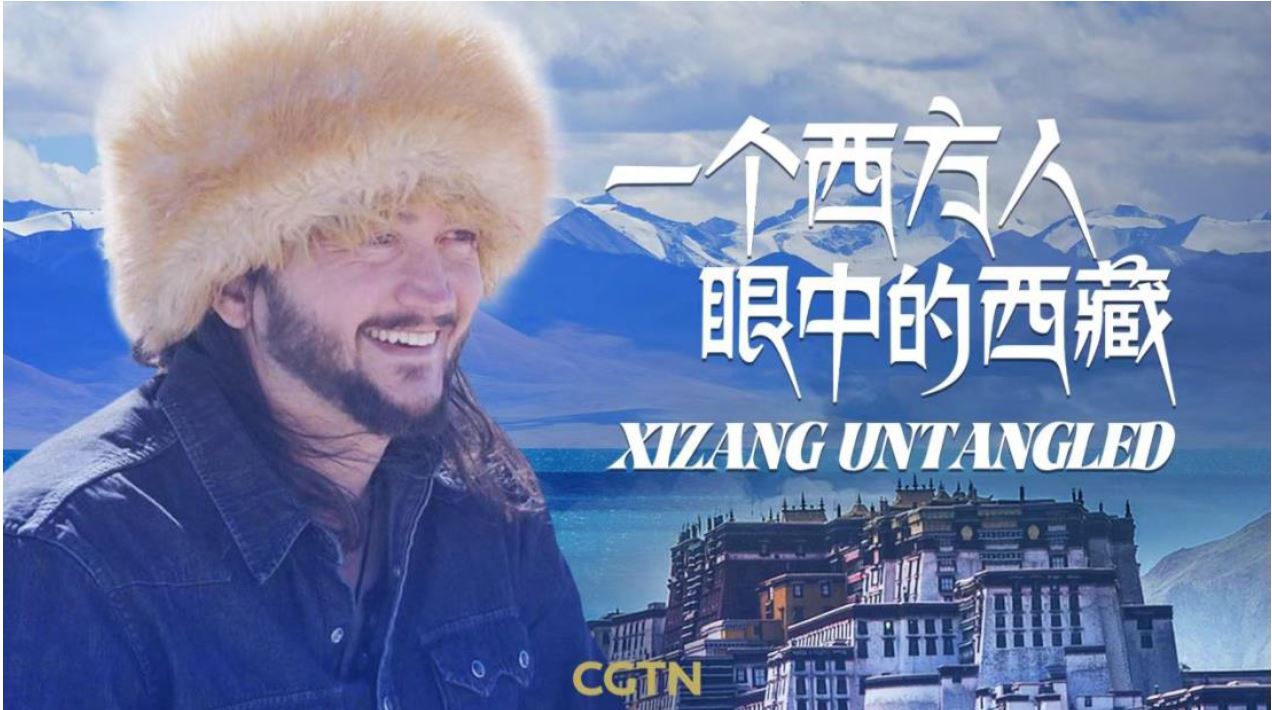
]]>
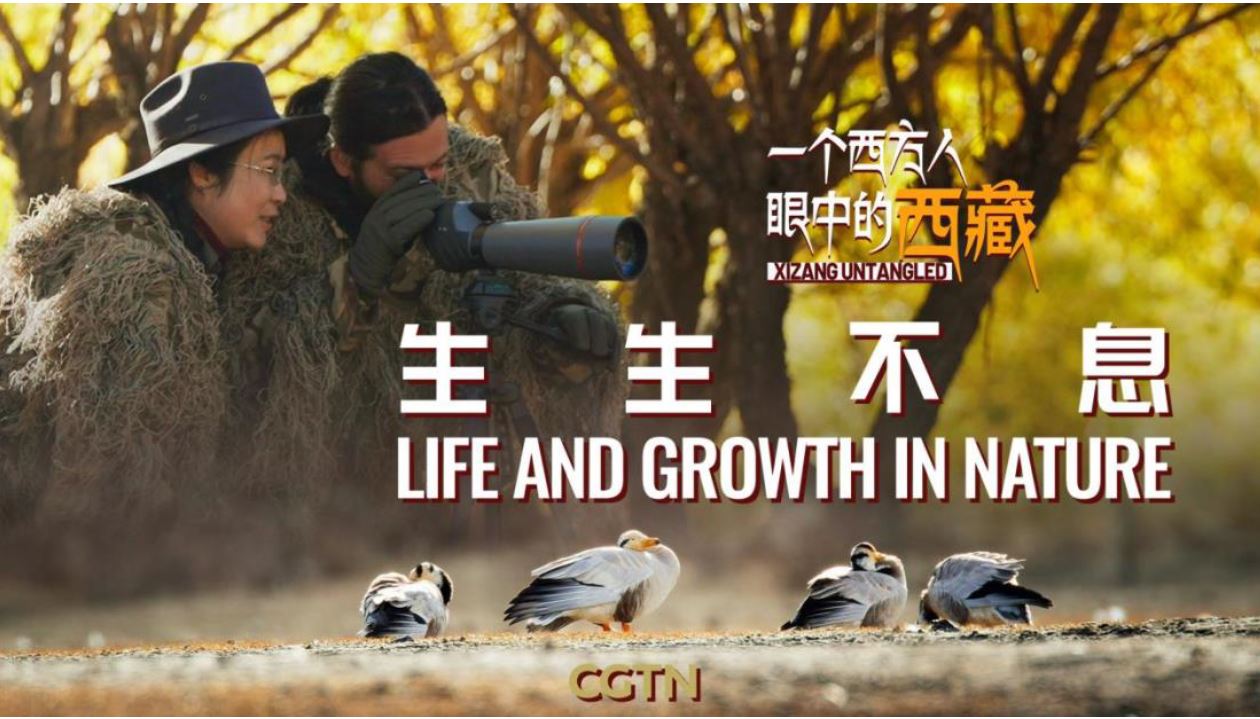
In the opening episode, Lee joins a group of “guardians of the plateau”–including two female conservationists, monks, and local wildlife workers–working to protect Xizang’s fragile ecosystem. Disguised in camouflage gear, he accompanies researchers tracking wildlife such as the white-lipped deer, while also meeting monks who see rescuing injured animals as part of their spiritual practice. Local patrol teams, equipped with deep ecological knowledge, play a crucial role in monitoring biodiversity across vast landscapes. What emerges is a holistic approach to environmental protection. Conservation here is not limited to scientific management or policy enforcement; it is embedded in cultural values that emphasize respect for all living beings. From endangered species to stray animals, the principle of compassion extends across the ecosystem. For Lee Camp, this experience reshapes his understanding of environmental governance in Xizang. It reveals a model where ecological protection is not just a technical endeavor, but a shared social commitment and way of life.
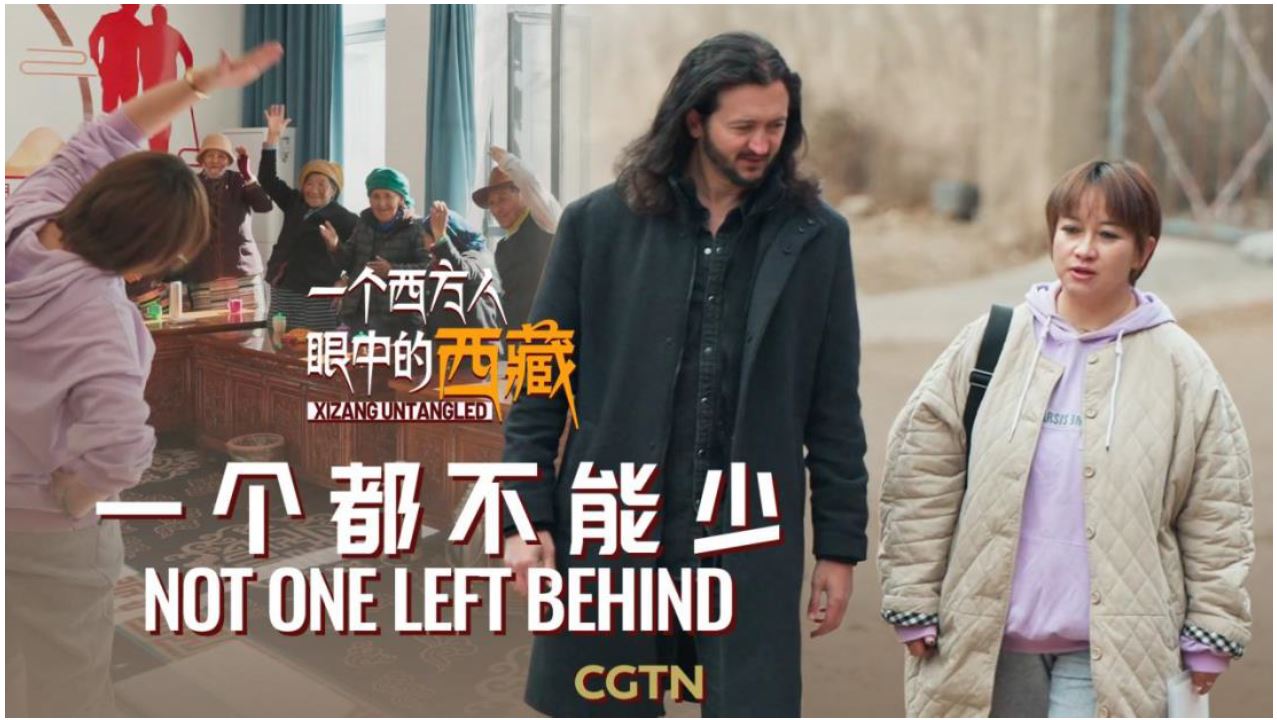
The second episode shifts focus to rural development, following Lee’s visit to Sanyou Village along the Lhasa River in Qushui County. Accompanied by a resident village official, he explores how local governance operates at the grassroots level. Through direct engagement with villagers and officials, Lee witnesses a range of livelihood initiatives: a lottery-based housing allocation system designed to ensure fairness, community centers that function as mutual aid hubs, and small-scale workshops that generate employment and income. These localized, human-centered practices challenge the stereotype of Xizang as isolated or underdeveloped. Instead, the episode highlights how modernization is unfolding alongside cultural continuity, and how national policies are translated into practical, everyday improvements in people’s lives.
The final episode takes viewers inside a Tibetan Buddhist institute, where Camp meets Tsering Dolkar, a Buddhist nun whose personal journey into religious life challenges common assumptions. Through their conversations, Lee gains insight into the everyday reality of religious practice in Xizang. He observes monks and nuns studying together, engaging in traditional Buddhist debates, and attending modern classes– an environment that blends centuries-old traditions with contemporary education. These scenes stand in contrast to recurring claims in some Western reports that Xizang’s culture and religion are under threat. From lively philosophical debates to institutional support for Tibetan-language education, the episode paints a picture of a religious culture that is not fading, but evolving. At an altitude of nearly 3,900 meters, tradition and modernity are not in conflict, but coexist in a dynamic balance. Ultimately, Xizang Untangled is not merely a documentary about one region of China. It is also a reflection on how narratives are formed and how easily distant places can become trapped within political labels, ideological assumptions, and selective storytelling. By allowing viewers to see Xizang through direct observation rather than secondhand interpretation, the series invites a more grounded and human-centered understanding of the region. At a time when global public discourse is increasingly shaped by confrontation and information fragmentation, firsthand experience matters more than ever. Whether discussing ecology, rural development, or religious life, the stories presented in Xizang Untangled suggest that the reality of Xizang is far more complex, dynamic and vibrant than many simplified portrayals suggest. Perhaps the most meaningful value of the documentary lies not in offering definitive answers, but in encouraging audiences to look beyond entrenched stereotypes and engage with Xizang as it truly is–through real people, real experiences and real change unfolding on the plateau today.
The post Through Western Eyes: A New Documentary Series Explores Xizang Beyond Stereotypes appeared first on EN-vinnabarta.
]]>The post SAARC Journalist Forum President Raju Lama attended 25th session of UN CEPA appeared first on EN-vinnabarta.
]]>Raju Lama, International President of the SAARC Journalist Forum, attended the high-level session in New York, engaging with global discussions on governance, transparency, and institutional development.
The CEPA session focused on improving public administration systems, enhancing accountability, and accelerating progress toward the Sustainable Development Goals (SDGs) through stronger multilateral cooperation and innovative governance practices.
Experts at the meeting emphasized the need for inclusive policymaking, digital transformation, and renewed trust between governments and citizens as key priorities in today’s global environment.
The session will continue throughout the week with thematic panels and policy discussions aimed at supporting UN member states in strengthening governance frameworks and institutional resilience.
The post SAARC Journalist Forum President Raju Lama attended 25th session of UN CEPA appeared first on EN-vinnabarta.
]]>The post SJF President Raju Lama to Participate in Prestigious UN Global Governance Summit appeared first on EN-vinnabarta.
]]>The CEPA session is one of the United Nations’ most influential high-level platforms dedicated to advancing global public administration, governance innovation, and the implementation of the Sustainable Development Goals (SDGs). The annual gathering convenes distinguished global experts, senior policymakers, and institutional leaders to shape international policy frameworks and governance standards.
Mr. Lama’s participation as an international media leader underscores the growing role of independent journalism and cross-border media collaboration in strengthening democratic governance, transparency, and inclusive development worldwide. His presence reflects the voice of South Asian journalists within a critical global policy dialogue hosted at the United Nations.
Speaking ahead of the session, Mr. Lama emphasized the importance of media engagement in global governance processes:
“This platform represents a vital opportunity to connect journalism with global policymaking. Independent media must play a proactive role in promoting accountability, sustainable development, and international cooperation.”
The 25th CEPA session will focus on advancing effective governance systems, institutional resilience, and innovative public administration practices to support countries in achieving the 2030 Agenda for Sustainable Development.
The participation of Mr. Lama further elevates the international standing of the SAARC Journalist Forum and highlights the organization’s commitment to engaging with global institutions at the highest level.
The post SJF President Raju Lama to Participate in Prestigious UN Global Governance Summit appeared first on EN-vinnabarta.
]]>The post International Dialogue on the Responsible Role of Media in South Asian Security and Development appeared first on EN-vinnabarta.
]]>Organized by the Internal Quality Assurance Cell (IQAC) in collaboration with the SAARC Journalist Forum (SJF), India Chapter, the media conclave was themed “Security and Development in South Asia: An Overview Through the Lens of Media and Journalism.” The dialogue took place at Shyam Lal College, affiliated with the University of Delhi.
The event was attended by SJF President Raju Lama, Secretary General Abdur Rahman, India Chapter President Dr. Aniruddha Sudhangshu, Bangladesh Chapter Vice President Asif Hasan Nabi, along with journalist leaders from SAARC member countries and several experts from Delhi-based think tanks.
The keynote paper was presented by the college principal and noted international relations scholar Dr. Nachiketa Singh. Speakers emphasized that security and development in South Asia cannot be viewed in isolation. Political conflict, extremism, climate crises, and poverty are deeply interconnected, and the media plays a crucial role in presenting these realities to the public.
They noted that irresponsible or biased reporting can often exacerbate tensions, posing threats to regional peace. In contrast, fact-based and sensitive journalism can foster mutual understanding and an environment of cooperation. Speakers also warned that in an era of fake news, rumors, and digital propaganda, professional ethics in journalism have become more critical than ever. Misinformation not only creates social confusion but can also generate serious security risks.
Journalists in South Asia, they argued, should prioritize regional peace and humanitarian perspectives alongside national interests. Rather than inflaming conflict, the media should highlight root causes and pathways to solutions. Experts further observed that regular dialogue and collaboration among journalists from SAARC countries could significantly reduce cross-border misunderstandings.
According to the organizers, if such dialogues continue in the future, they will help strengthen mutual trust and cooperation across South Asia.
”
The post International Dialogue on the Responsible Role of Media in South Asian Security and Development appeared first on EN-vinnabarta.
]]>The post IWPG holds 2026 International Branch Annual General Meeting appeared first on EN-vinnabarta.
]]>IWPG Chairwoman Na Yeong Jeon presided over the meeting, held at 8:00 pm via online with around 1,000 participants from different parts of the world.
The large-scale international event brought together 700 IWPG staff members from headquarters and branches, 200 Peace Committee representatives, and 200 peace advocates from Korea and other countries.
During the meeting, IWPG reviewed its achievements in 2025 and unveiled its new vision and core initiatives for the year 2026.
In her opening remarks, Chairwoman Na Yeong Jeon said that as a “Global Women’s Peace Network” in solidarity with four billion women worldwide, IWPG aims to build a world where every woman can enjoy a peaceful daily life.
She noted that conflicts and wars are continuing across the globe and the international situation has become more turbulent than ever. However, she said that if women take the lead as agents of peace, practice peace in their daily lives, remain united and continue efforts toward the institutionalization of sustainable peace, the dream of lasting peace would surely become a reality.
IWPG advisors including Woo Ok-ra, President Gil Nisetaz B. Villarino of Leyte Normal University in the Philippines, Rector Guillermo Narváez Osorio of Universidad Juárez Autónoma de Tabasco in Mexico, and Mevlüt Karakaya, a Member of Parliament in Ankara, congratulated IWPG on successfully hosting the event.
IWPG Secretary General Kyungnam Choi presented the organization’s achievements over the past year and announced its new vision titled “Women and Girls Shaping the Future of Sustainable Peace.”
She emphasized that women are not merely beneficiaries of peace, but active agents who create peace, adding that this principle will serve as the foundation of all IWPG initiatives.
IWPG is an international women’s non-governmental organization registered with the United Nations Economic and Social Council (ECOSOC) and the Department of Global Communications (DGC). The organization has 15 branches in 123 countries and works with about 900 partner organizations worldwide to promote sustainable peace through women’s peace education, peace art competitions for children, and a strong global peace network
The post IWPG holds 2026 International Branch Annual General Meeting appeared first on EN-vinnabarta.
]]>The post Rashed Khan resigns from Gonodhikar Parishad, joins BNP appeared first on EN-vinnabarta.
]]>He has been nominated as the BNP candidate from the Jhenaidah-4 constituency.
The development was announced at a party event, where BNP Secretary General Mirza Fakhrul Islam Alamgir called on BNP leaders and activists to stand by Rashed Khan and extend full cooperation to ensure his victory in the upcoming election.
Mirza Fakhrul expressed confidence that Rashed Khan’s inclusion would strengthen the party in the constituency and urged all party members to work unitedly to secure his election.
The post Rashed Khan resigns from Gonodhikar Parishad, joins BNP appeared first on EN-vinnabarta.
]]>